
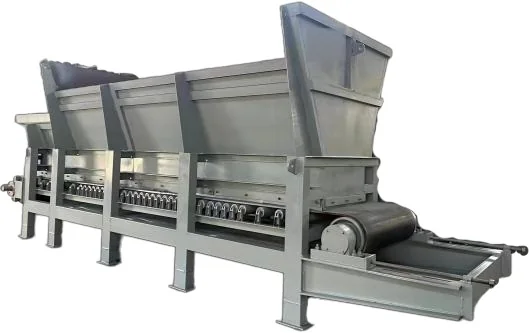
Feeding & slurrying equipment
Feed preparation is the first stage of a wet line: a steady feed of raw material, then dispersion into slurry ready for desanding and classification.
Equipment / Wet processing
The machines around the magnetic separators in our lines: feeding and slurrying, screening, classification and washing, dewatering, pumping and filtration. Each one is chosen by its role in the process. Specifications on request.
Price on request. Equipment lists on this site show names, sizes and quantities from our reference designs; commercial terms are confirmed in writing after engineering review.
Feed preparation is the first stage of a wet line: a steady feed of raw material, then dispersion into slurry ready for desanding and classification.
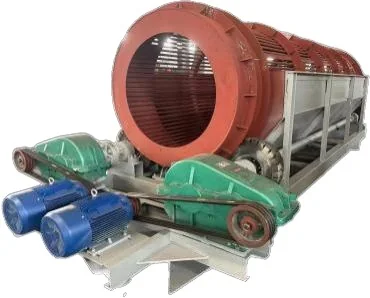
Rotary trommels scalp and size bulk feed by aperture; stainless-steel vibratory screens handle fine screening of slurries, powders and granules.
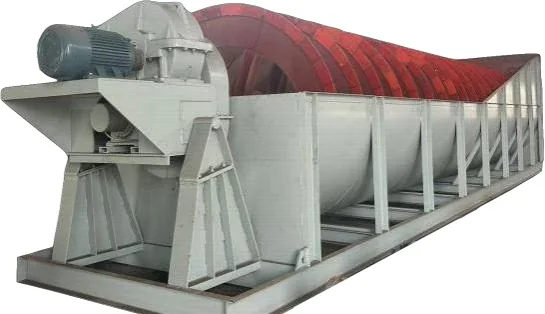
After slurrying, sand and coarse particles are separated from the fine clay stream, and the sand is washed and lifted out for dewatering.
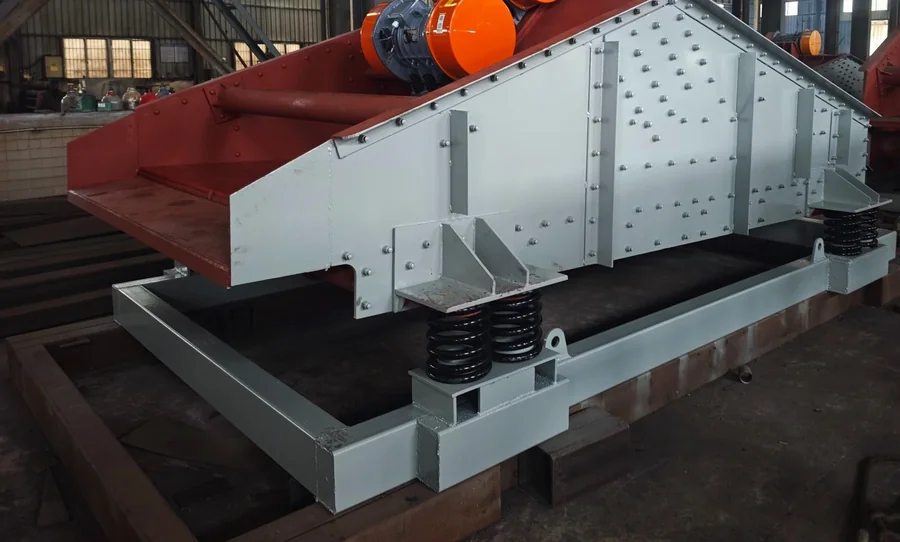
Dewatering screens take washed sand off the washer or classifier and drain it before stockpiling or transfer.
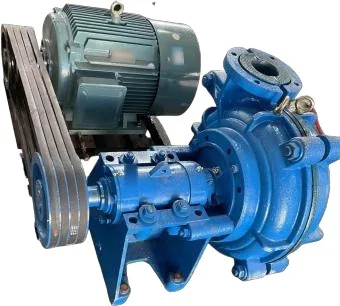
Pumps move slurry between stages, feed hydrocyclones and pressure-feed filter presses. Flow, head and wetted materials are matched to the duty.
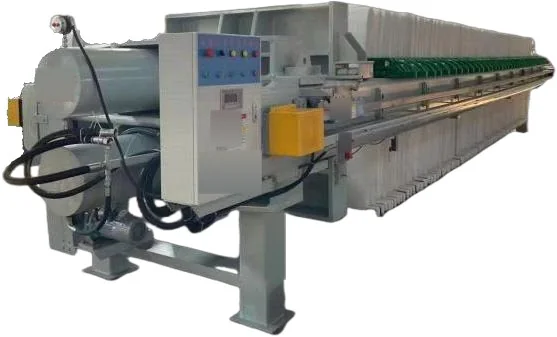
The filter press is the last wet stage: it turns slurry into filter cake and filtrate. It works in cycles, so it has to be matched to the continuous slurry supply.
Pressure feed, classified streams and the interface with cyclic filtration. The continuous feed has to be matched to the cyclic filter press; side streams, refining and water reuse are confirmed for each project.
Functional schematic, not an engineering flowsheet.
Where magnetic separation fits: in our kaolin lines, weakly magnetic iron-bearing impurities are removed from the classified slurry by water-cooled electromagnetic slurry separators before it is pumped to the filter presses. See the kaolin processing line, the silica sand line and our magnetic separator models. Results depend on the ore and are confirmed by a sample test.
Define the duty before confirming the operating conditions.
| Process need | Equipment to consider | Inputs to confirm |
|---|---|---|
| Feed does not discharge consistently | Belt feeder | Stickiness, moisture, lump size and hopper interface |
| Raw feed needs dispersion into slurry | Blunger / slurry-preparation unit | Feed properties, water addition and continuous duty |
| Scalping or particle classification is needed | Trommel / classifier / hydrocyclone | Target fractions, slurry condition and stream routing |
| Sand needs washing or further dewatering | Wheel washer / dewatering screen | Clay, fines loss and discharge requirements |
| Slurry must be transferred or pressure-fed | Slurry / two-stage / plunger pump | Flow, head, abrasion and fluid chemistry |
| A cake and liquid stream must be separated | Filter press and feed system | Sample, cloth, cycle time and moisture target |
For preliminary discussions only; not a product specification or a guarantee of application performance.
Size, concentration, flow and upstream / downstream routing.
Machine spacing, operating aisles, maintenance and lifting access.
Power, water, drainage and pipe connections.
Continuous feed, surge capacity and cyclic discharge.
Send your feed data and targets, or register for a free 5–10 kg pilot test with a report within 5 days of receiving the sample. Specifications and price on request.