
Equipment / Calcined alumina powder
Dry-process iron removal for calcined alumina powder
This page describes a dry iron-removal duty for calcined alumina powder. It sets out the material, the processing requirements, the finished-product target, and what two types of fully dry equipment can do. The clips and the text are meant to be read together, so the working principle, the iron-cleaning action, and whether feeding stops are easy to follow. The model is selected after capacity is confirmed. These notes are not a performance guarantee; results depend on a sample test of both types of equipment.
The material
The feed is calcined alumina powder. The particle size is 80–325 mesh, mostly around 200 mesh — about 177–44 microns, and mostly around 74 microns. The process must stay fully dry and keep the material as powder; it is not a slurry duty. Moisture has already been dried to below 3%. Iron-capture efficiency is higher as moisture approaches zero. The bulk density is about 1.19 t/m³.
As received, Fe₂O₃ is about 400 ppm, reported by XRF as Fe₂O₃. Visible black particles are present in the powder. These particles are described as secondary-contamination mechanical iron or magnetic iron. Non-magnetic iron oxide has not yet been confirmed.
| Material | Calcined alumina powder |
|---|---|
| Particle size | 80–325 mesh (mostly around 200 mesh; about 177–44 microns, mostly around 74 microns) |
| Physical state | Must remain a dry powder throughout; the process must stay fully dry |
| Moisture | Already dried to below 3%. Iron-capture efficiency is higher as moisture approaches zero. |
| Bulk density | About 1.19 t/m³ |
| Current iron | Fe₂O₃ about 400 ppm (XRF reported as Fe₂O₃) |
| Visible defect | Black particles, described as secondary-contamination mechanical or magnetic iron. Non-magnetic iron oxide is not yet confirmed. |
Processing requirements
The duty is 5–10 tonnes per day. The process must stay fully dry from feed to product so the calcined alumina remains a powder.
Two fully dry equipment options are considered: a permanent magnetic bar box, and an electromagnetic dry-powder separator. The model is selected after capacity is confirmed. This page does not lock a model, a field strength, a machine count, or a removal rate.
Screening before the electromagnetic unit is better, because the mesh range is wide and it is hard for one aperture to cover both ends of the size distribution. A magnetic bar box might work without screening; that has to be tested.
Both machines are fully automatic, and both need belt conveying. Magnetic-bar iron cleaning does not stop feeding. The electromagnetic unit stops feeding intermittently and automatically resumes after iron discharge.
Finished-product requirement
The finished-product target is iron content below 0.02% (200 ppm). Visible black particles should be reduced or eliminated as far as possible.
Mechanical iron can be 100% removed. The reduction from about 400 ppm to 200 ppm is mineral iron; dry processing may be very difficult. Samples must be tested on both types of equipment; results depend on the test.
We do not guarantee that about 400 ppm will fall below 200 ppm, and we do not promise that all visible black particles will be removed. We do not promise titanium reduction. A matched model is issued only after the sample test.
What the equipment can do
Only two fully dry options are offered for this duty. The clips below are laboratory or factory illustrations of each machine type. They are not a performance result for this calcined alumina powder, and they do not identify a customer or a locked model. Read the short notes with each set of clips: they explain how the machine holds iron, how iron is cleaned, and whether feeding stops.
Permanent magnetic bar box
Dry powder is fed through the top inlet and flows over a stack of permanent magnetic bars. Magnetic iron is held on the bar surfaces. The cleaned powder discharges below into a collection tray or onward conveyor. Because this is a dry, gravity-fed path, the material stays as powder.
Iron cleaning is automatic. The magnetic-bar drawers extend and retract so captured iron can be released. That cleaning action does not stop feeding, which matters on a continuous 5–10 tonnes-per-day duty. Belt conveying is required to bring the powder to the unit and to take the product away. A magnetic bar box might work without screening on this size range; that has to be tested.
The first two clips show feeding and product discharge. The next two show the bar-cleaning action, so it is clear that the bars retract and return without a manual shutdown of the feed.
Open the feeding clip — powder entering over the magnetic bars.
Open the discharge clip — cleaned powder leaving the unit.
Open the bar-retracting clip — the bars withdrawing from the housing.
Open the automatic cleaning-cycle clip — the drawers extending and retracting. Feeding does not have to stop for this cleaning action.
Electromagnetic dry-powder separator
Dry powder is fed through a hopper at the top while the unit is magnetized. Magnetic particles are held on a magnetic matrix inside the machine. The treated powder discharges below. Screening before this unit is better on an 80–325 mesh feed, because one screen aperture can rarely cover both the coarse and the fine ends of that range.
Iron cleaning is also automatic, but the working cycle is different from the magnetic bar box. Feeding stops intermittently. The magnetic field is turned off, vibration releases the captured magnetic material, and feeding then resumes automatically. Belt conveying is required. A model is not identified from the footage and is not locked on this page.
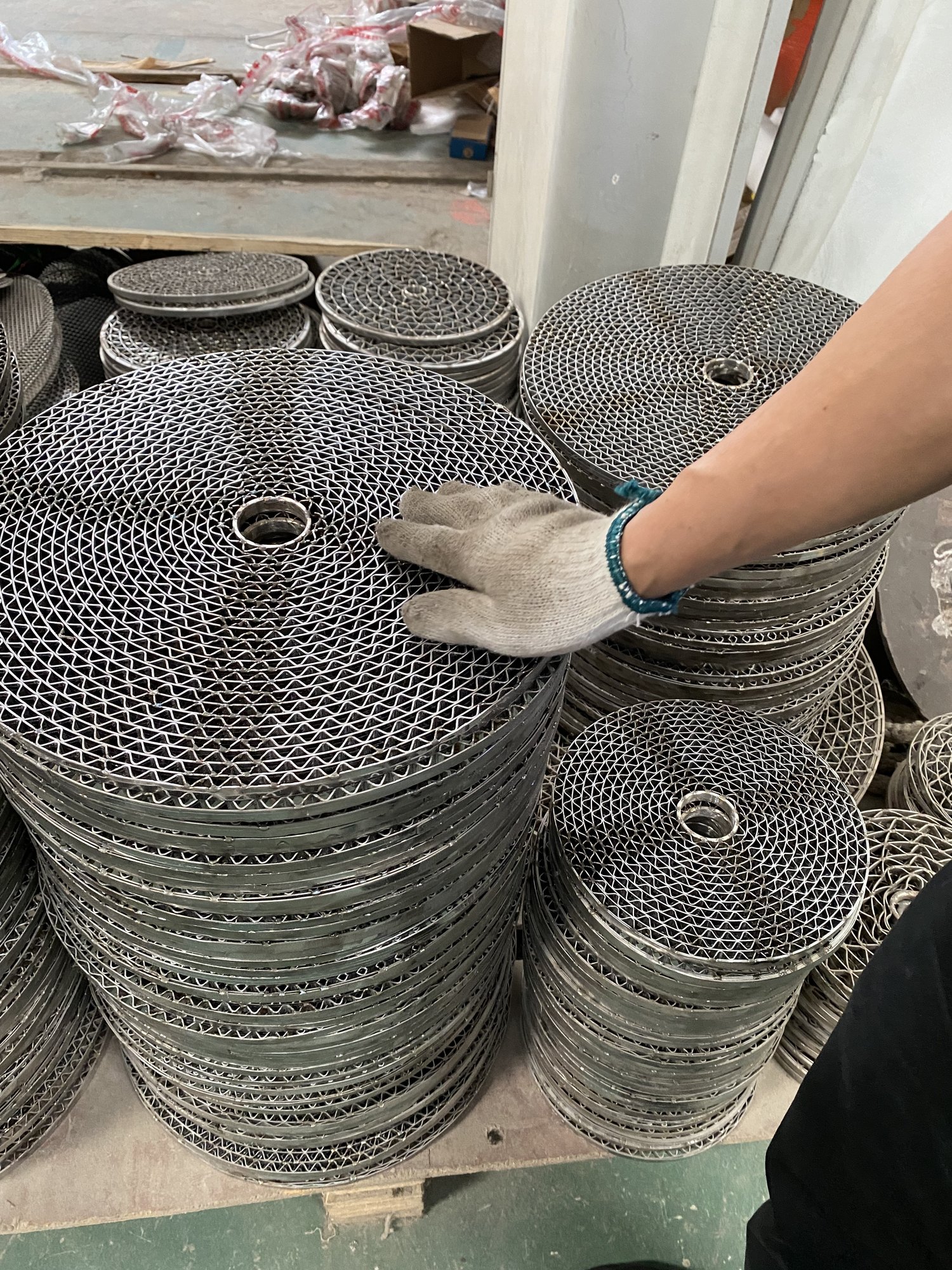
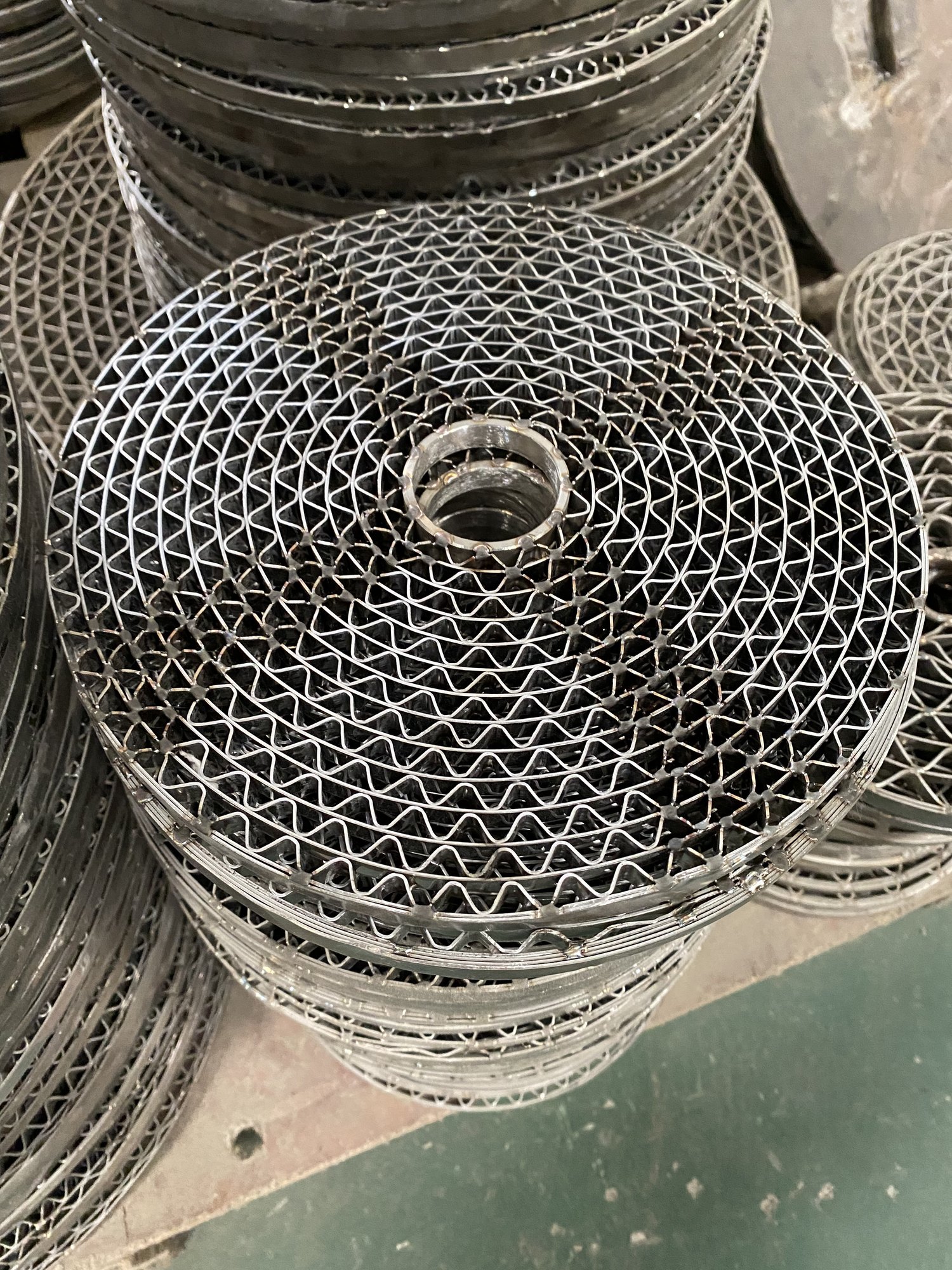
The two clips below show feeding at the hopper and the unit running with product discharging underneath. The photographs show the circular matrix discs that hold the magnetic particles during the magnetized part of the cycle.
Open the feeding clip — powder entering the hopper while the unit is in operation.
Open the running and discharge clip — treated powder leaving below.
Magnetic matrix discs
These photographs show circular magnetic matrix discs used inside an electromagnetic separator. During the magnetized part of the cycle, magnetic particles are held on this media. When the field is turned off, vibration releases them so they can be discharged. The photographs illustrate the media; they are not a performance result, and they do not identify a customer or a locked model.
Free 5–10 kg lab test
Free 5–10 kg lab test; we deliver a report within 5 days of sample receipt. After the report, a matched model and price can be given within 24 hours. Both types of equipment should be tested. Price on request.
Frequently asked questions
What is the material, and why must the process stay dry?
The feed is calcined alumina powder. The particle size is 80–325 mesh, mostly around 200 mesh (about 177–44 microns, mostly around 74 microns). The process must stay fully dry and keep the material as powder. Moisture has already been dried to below 3%. Iron-capture efficiency is higher as moisture approaches zero.
What processing arrangement is considered?
The duty is 5–10 tonnes per day. Two fully dry options are considered: a permanent magnetic bar box and an electromagnetic dry-powder separator. Screening before the electromagnetic unit is better, because the mesh range is wide and it is hard for one aperture to cover both ends. A magnetic bar box might work without screening; that has to be tested. Both machines are fully automatic and both need belt conveying. Magnetic-bar iron cleaning does not stop feeding. The electromagnetic unit stops feeding intermittently and automatically resumes after iron discharge. The model is selected after capacity is confirmed; no model is locked on this page.
What is the finished-product requirement?
The target is iron content below 0.02% (200 ppm), with visible black particles reduced or eliminated as far as possible. Mechanical iron can be 100% removed. The reduction from 400 ppm to 200 ppm is mineral iron; dry processing may be very difficult. Samples must be tested on both types of equipment; results depend on the test. We do not guarantee that about 400 ppm will fall below 200 ppm, and we do not promise that all visible black particles will be removed.
Do you promise titanium reduction?
No. We do not promise titanium reduction.
How does the lab test work?
Free 5–10 kg lab test; we deliver a report within 5 days of sample receipt. After the report, a matched model and price can be given within 24 hours.
Ask for a lab test and a matched proposal
Send 5–10 kg of calcined alumina powder for a free lab test. We deliver a report within 5 days of sample receipt. After the report, a matched model and price can be given within 24 hours. Price on request. We do not promise titanium reduction.